
7 Lead-Nurturing Strategies That Help You Build Trust and Win More Customers


You know how it goes, people rarely buy the first time they meet you. They want to get to know you first, see how you think, and figure out if you’re worth trusting. That’s where lead nurturing comes in. It’s the bridge between curiosity and commitment. These days, buyers bounce between websites, podcasts, emails, and referrals before they ever reach out. It's essential to build trust with your customers.
At Pulse, we’ve worked with plenty of teams who stopped chasing leads and started building trust instead. The difference? They focus on staying consistent, sounding human, and showing up when it matters most. So, let’s talk through seven practical ways you can nurture leads, the kind that actually help people feel seen, not sold to.

Why Lead Nurturing Matters More Than Ever
Here’s the reality. Getting someone’s attention doesn’t mean they’re ready to buy. What makes people say yes is trust, and trust takes time. It’s built through steady, helpful communication that actually makes someone’s day a little easier.
Quick Takeaways:
- Nurturing is how you stay relevant after the first hello.
- Automation helps you keep up without burning out.
- Consistent follow-ups turn one-time interest into lasting loyalty.
The short version? If you’re not nurturing your leads, someone else is. The businesses that do this well don’t just close deals, they build fans who keep coming back.
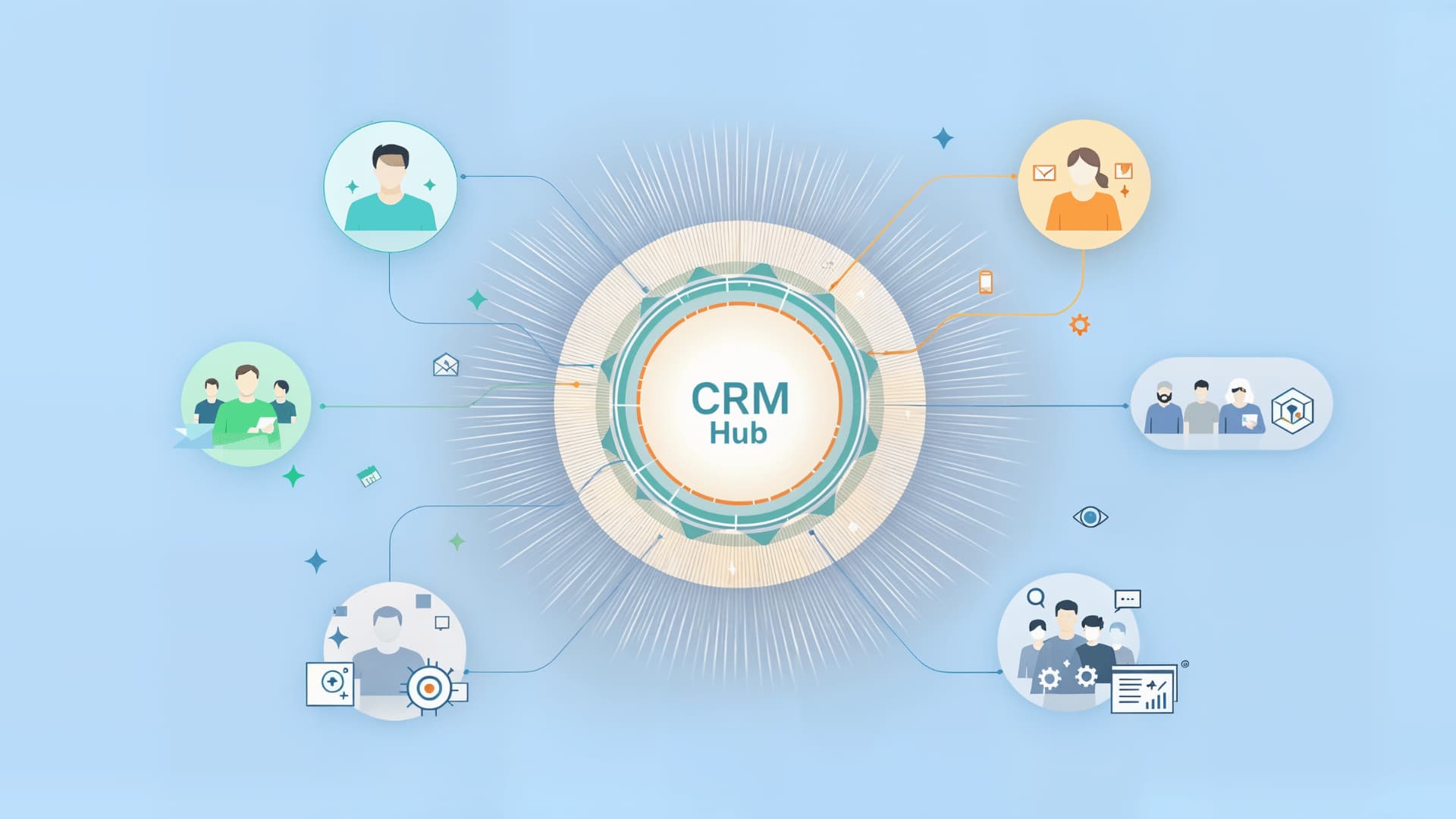
1. Understand What Each Lead Actually Needs
Know your audience better than they know themselves. Before you send that first email or call, pause and think, what are they really trying to figure out? When you meet people where they are, you instantly stand out.
Here’s how to do it:
- Group your audience by what they care about, their goals, industries, or challenges.
- Use your CRM to track what they click, download, or ask about.
- Send follow-ups that actually respond to their behavior, not just your sales calendar.
One of our clients, a business coach, noticed that people who downloaded her business checklist were her most serious leads. She set up a short-term nurture that triggered after people downloaded this checklist and saw her consultations jump by 57 percent.
When you take the time to understand your leads, they feel it. And when they feel it, they stick around.
Understanding your leads on a deeper level isn’t just a “nice to have.” It’s the foundation for every successful marketing and sales strategy. When you know what motivates someone to click, read, or ask questions, you can tailor your email and text message campaigns in ways that make sense to them. Instead of sending generic messages, you’re speaking their language. That shift alone can dramatically improve how your audience engages with you.
According to a McKinsey study on personalization, companies that personalize experiences see revenue gains of 10 to 15 percent on average. That’s not just because people prefer tailored marketing; it’s because relevant communication shows respect for their time and attention.
2. Keep Your Contact Data Fresh and Reliable
Nothing kills momentum like sending great emails to dead inboxes. People change jobs, switch tools, and move on, and your data should keep up.
How to keep your list clean:
- Automate a quarterly review of your contact data.
- Use automated engagement trackers to spot and remove failed emails or unengaged subscribers. This can be accomplished with marketing automation.
- Regularly confirm info for your most engaged leads.
Think of your CRM database like a living thing. It needs care to stay healthy. A well-kept list means your messages go where they should, and your best opportunities don’t get lost in the noise.
Keeping your contact data accurate might seem like a small task, but it directly affects how efficiently your entire marketing system performs. Every bounced email, outdated phone number, or inactive contact adds noise that can dilute the overall performance of your campaign.
Over time, that noise compounds, making it harder to see what’s actually working. When your list is clean, you’re not only reaching the right people but also improving your email deliverability and overall engagement.
Start by auditing your contact list regularly. You can do this manually or through automations that flag inactive leads after a certain period of no engagement. Consider creating a simple system that classifies your contacts by engagement level. This gives you a clear sense of where to focus your next campaign.
If a lead hasn’t opened your emails in months, don’t just delete them. Instead, try a re-engagement sequence that asks if they still want to hear from you. Something as simple as “Would you like to stay on our list?” can save valuable contacts and help you learn who’s still interested.

3. Automate with Care: Build Drip Campaigns That Feel Human
Automation isn’t the enemy. Bad automation is. The key is to make every email sound like it came from a real person who actually gets it. Drip campaigns should guide, not nag.
Try this simple flow:
- Send a warm welcome that feels personal, not templated.
- Follow up with something useful, a short story, or a helpful tip.
- Drop in a resource that solves a small but real problem.
- End with a friendly nudge, such as, “Would you like to see how this works?”
A drip campaign should sound like a conversation, not a sales pitch. One SaaS startup using Pulse ditched fancy graphics for simple, text-style emails, and their reply rates shot up. It wasn’t the copy that changed; it was the style of the email, and the email felt like it came from a real person instead of a marketing email.
A good drip campaign works because it mirrors how real conversations unfold. Instead of flooding someone’s inbox with information, it creates a rhythm that builds trust gradually. You’re not trying to close a sale in the first few emails. You’re trying to stay relevant and helpful until your lead is ready to take action.
Here’s a useful way to think about it. Every message should have a single purpose. The first email introduces you, the next builds credibility, the one after that provides value, and eventually, you invite the lead to take the next step. Keeping each email focused prevents fatigue and gives your audience a reason to open the next one.
Consistency also matters. The goal isn’t to automate everything but to automate the right things, like reminders, follow-ups, and small nudges that would otherwise slip through the cracks.

4. Add a Personal Touch, Even in a Digital World
Let’s be real, everyone’s inbox is overflowing. That’s why small gestures feel big. A handwritten note, a short voice message, or a quick text can do what a dozen emails can’t: make someone feel remembered.
Easy ways to add a human touch:
- Mail a thank-you card after a sale or meeting (this can be automated by connecting a tool like Handwrytten).
- Celebrate customer milestones or anniversaries.
- Send a personal note that references a real conversation.
You can automate the trigger in your CRM, but the message itself should feel human. That’s what people remember, not the automation, but the effort.
According to a McKinsey survey on personalization, 71 percent of consumers expect personalized interactions from brands, and 76 percent get frustrated when they don’t. That tells us something simple but powerful: people don’t just want good service, they want to feel noticed.
You can apply this without overcomplicating it. Start by choosing one or two points in your customer journey to personalize more deeply. Maybe it’s sending a birthday message, or a quick thank-you after a demo. The key is timing. The best moments for human touchpoints are when customers least expect them.
A CRM automation tool can connect with tools like Handwrytten to automatically send personalized handwritten notes or send personal emails triggered by meaningful events, like a lead moving to a new pipeline stage. A quick two-sentence message can do more to build trust than a lengthy follow-up sequence.
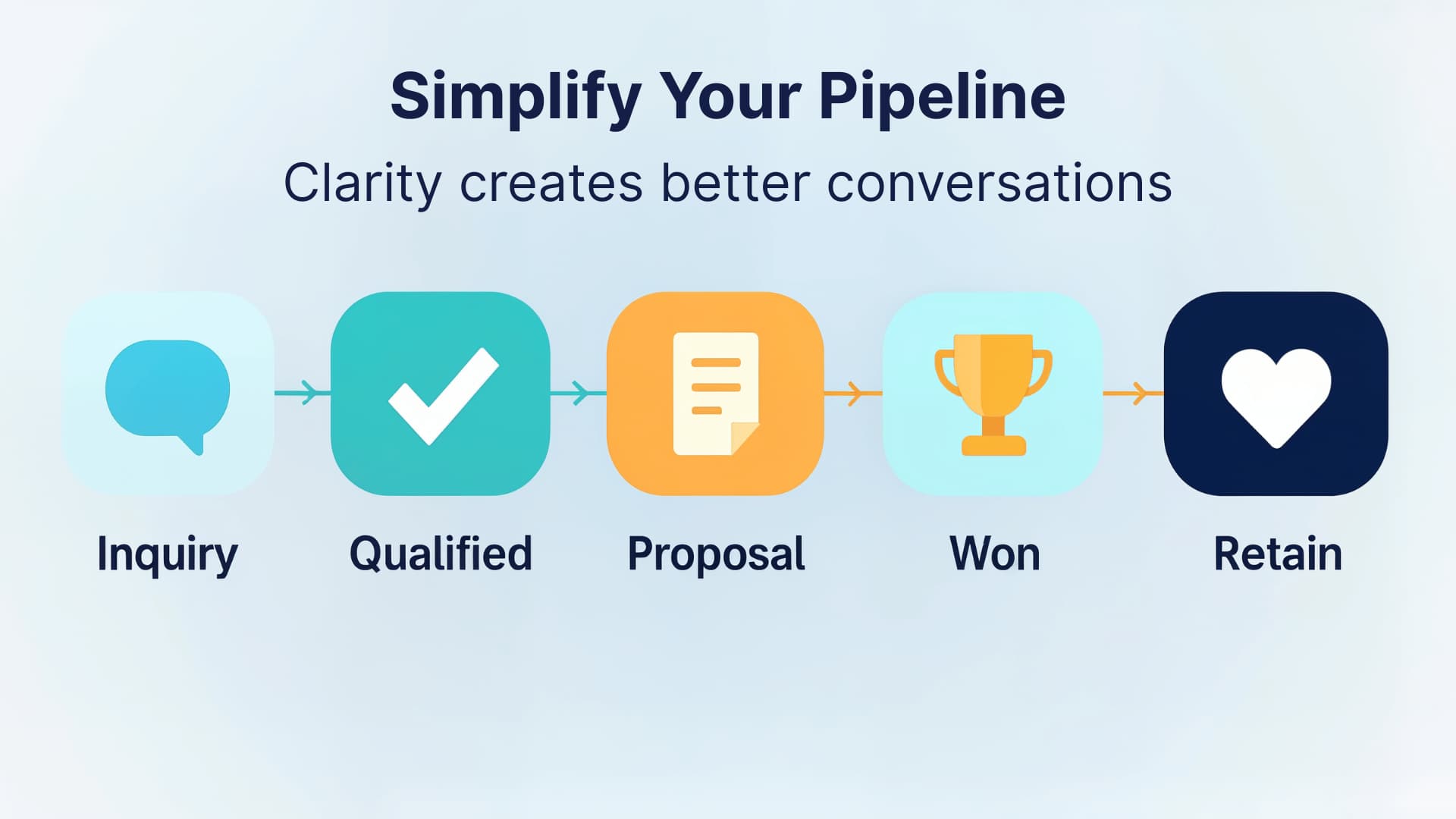
5. Simplify Your Pipeline to Focus on People, Not Paperwork
If your sales pipeline feels like a maze, it’s probably costing you leads. You don’t need ten stages and five dashboards. You need a clear view of where everyone stands.
Keep it simple:
- Stick with four to six pipeline stages (New Lead, Discovery Call, Proposal, Won, Lost).
- Automate reminders for quick, timely follow-ups.
- Having a visual pipeline ensures nothing falls through the cracks.
You need to simplify all processes and reduce chaos, and focus more.
The beauty of a simplified pipeline is that it keeps your team focused on people instead of processes. There’s no need for endless meetings about who’s handling what or where a deal got stuck. The pipeline becomes a shared map, helping every team member move in the same direction.
A cluttered system, on the other hand, leads to slow follow-ups and missed opportunities. It’s easy to lose sight of warm leads when you have too many stages or manual updates. Keeping your pipeline lean not only saves time but also sharpens accountability.
If you’re using a CRM platform, build automation around pipeline movement instead of manual data entry. Set up automatic reminders when a lead has been inactive for a week or two, or trigger a task when someone reaches a specific stage. This keeps things moving without overwhelming your team.
The goal is to create a system that supports natural communication rather than replacing it.

6. Use Newsletters to Stay Connected (and Worth Reading)
Once your systems are running smoothly, newsletters keep you in touch without being annoying. The best ones feel like a friend dropping by with something genuinely useful to share.
Make yours stand out:
- Focus on one story or insight per issue.
- Keep the tone conversational, not corporate.
- Add a takeaway the reader can use immediately.
A local agency using Pulse sends a short monthly “Automation in Action” series, quick, real, and relatable. With open rates averaging 67 percent, it proves that when you write like a person, people actually read.
The most effective newsletters don’t just share updates; they build anticipation. Think of them as ongoing conversations that help your audience grow more familiar with your perspective and expertise. Every issue should give readers something they can use or think about, even if they never buy from you. That value compounds over time and builds authority.
When writing, focus on clarity and tone. Speak like you’re talking to one person, not a crowd. Long, jargon-filled messages lose readers quickly, while short, story-driven insights keep them coming back.
According to the Content Marketing Institute, 81 percent of marketers say newsletters remain their most effective owned-media channel for engagement because they create regular, trusted touchpoints.
You can also segment your list to make newsletters even more relevant. Use simple marketing automation tools in your CRM to schedule content for different audiences without extra effort. Finally, always end your newsletter with something actionable. That doesn’t have to mean a sales CTA. It could be a reflection, a question, or an idea to try.
7. Keep Nurturing After the Sale
Most businesses stop talking once the deal closes. Big mistake. The easiest sale you’ll ever make is to someone who’s already said yes once. Post-sale follow-up workflows help you stay connected long after the contract is signed.
A few easy wins:
- Send a 30-day check-in email.
- Follow up at 90 days with quick tips or updates.
- Mark one-year milestones with a genuine thank-you.
Many teams think nurturing ends once a deal closes, but that’s when some of the most meaningful engagement begins. Post-sale communication helps your brand stay present in the customer’s mind, especially during the critical first few months of the relationship. Those touchpoints set the tone for retention, satisfaction, and long-term referrals.
A simple post-sale plan can make all the difference. You might send a follow-up email at 30 days asking how the experience is going, another at 60 days offering a resource or best practice, and a quarterly note highlighting a relevant success story. These small but consistent interactions help customers feel supported rather than forgotten.
The goal isn’t to sell again right away. It’s to stay connected and add ongoing value. When customers know you care beyond the transaction, they’re far more likely to recommend you, return for future needs, and become long-term advocates for your business.

Bringing It All Together
Here’s the bottom line. When you take the time to truly understand your leads, keep your data clean, and use automation that still feels human, everything changes. Add personal touches to your communication, simplify your systems so your team can focus on real conversations, and keep showing up consistently.
These aren’t just tasks to check off; they’re habits that shape how people see and trust your business. When you put these principles into practice, you’ll spend less time chasing leads and more time building relationships that last, the kind that turn first impressions into long-term loyalty.

