How to Send Promotional Products Automatically Using Zapier & Marketing Automation


If you’ve ever had to manually ship promotional items after a sale or event, you know how time-consuming it can be, and how easy it is for something to slip through the cracks. Automation takes that stress off your plate. When you connect Zapier with your marketing automation system, those branded gifts or thank-you packages go out automatically, at exactly the right moment, without adding more to your to-do list.
We’ve seen this setup work wonders for small and mid-sized teams. It helps strengthen customer relationships, increase engagement, and free up hours every month for more meaningful work. Once everything’s connected, you’ll wonder how you ever managed without it. Let’s walk through how to make it work for your team.

What Is Zapier and Why It’s Perfect for Marketing Automation
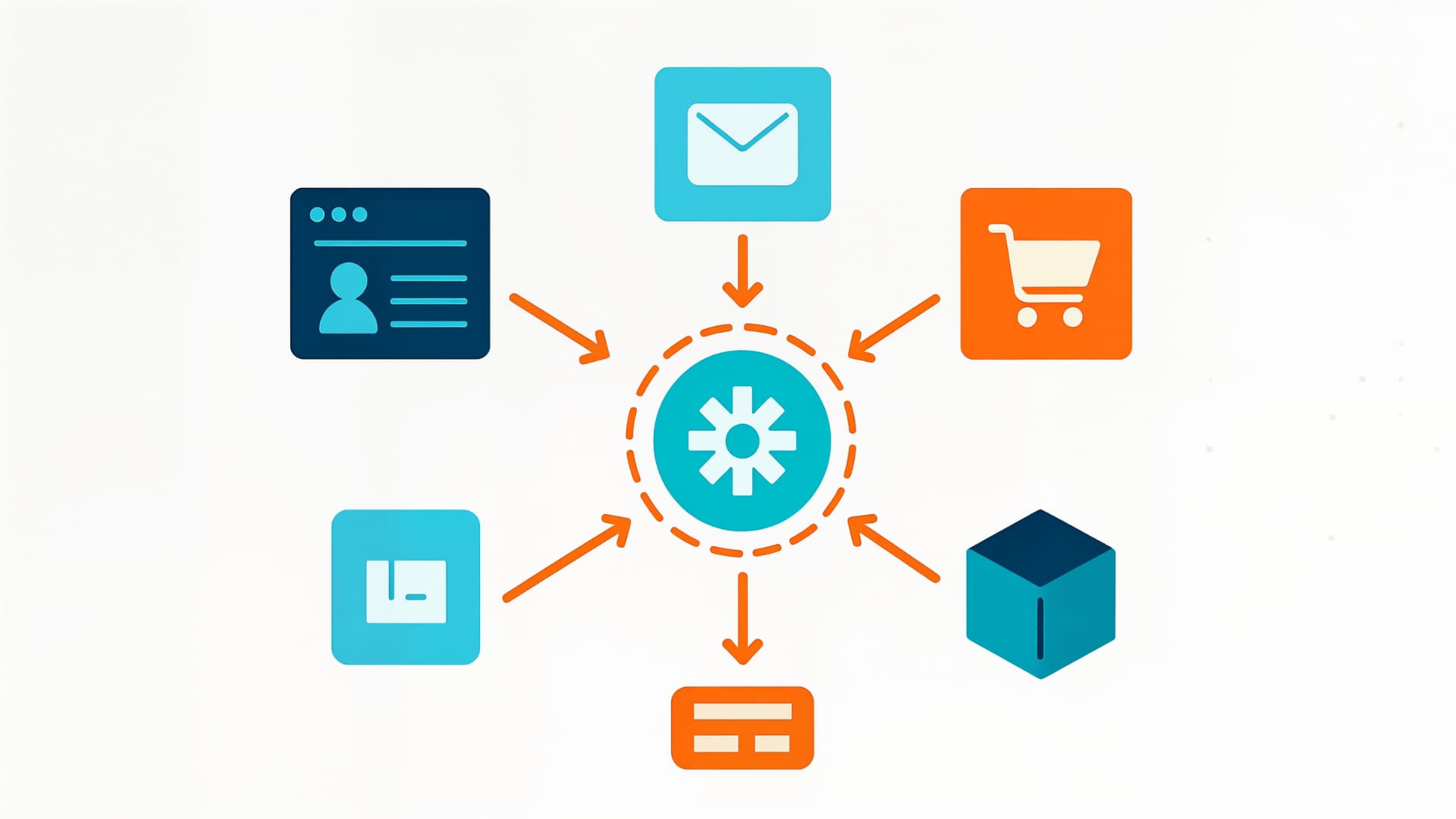
Let’s talk about Zapier for a second. If you’ve ever wished your tools could actually talk to each other, this is the platform that makes it happen. Zapier is a no-code automation tool that connects thousands of apps so they can share data smoothly in the background. Think of it as a bridge between your CRM, your online store, and the partners you use to send out promotional products.
When you link Zapier with your CRM or other marketing tools, you can trigger actions automatically, like:
- Sending a gift right after a purchase or milestone
- Letting your marketing team know when a lead receives a promotional item
- Updating customer records to show new engagement or activity
What makes Zapier so useful is that it’s simple enough for anyone to use but powerful enough to run complex automations. You don’t need to be technical or spend hours tinkering with code. Each workflow, or “Zap,” follows a basic pattern: one event triggers one or more actions. Once you set them up, they run quietly in the background, handling repetitive work while you and your team focus on strategy and creativity.
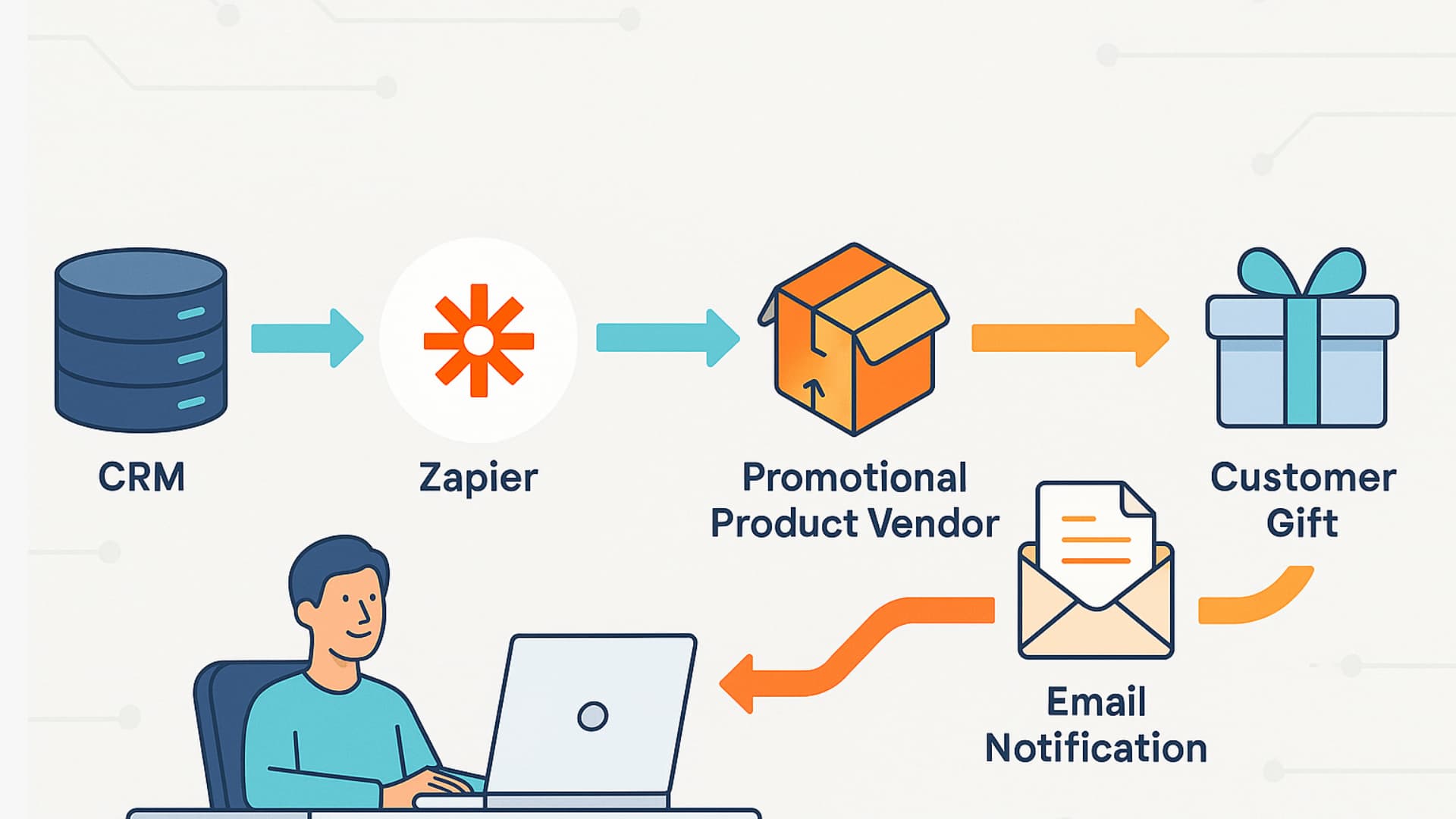
For example, you can build a Zap that automatically sends new customer information from your CRM to your promotional product fulfillment company. That Zap can automatically trigger your vendor to ship a branded welcome gift.
As your automations grow, you can layer on more complexity with conditional paths, multi-step workflows, or custom webhooks. These make your processes smarter and more responsive. Each Zap can be tested, tracked, and tweaked at anytime, so you’re always in control. It’s a simple way to make your operations more efficient and flexible without adding stress.
Why Automate Promotional Product Delivery?
Let’s be honest, manually handling promotional product delivery can be a grind. There’s a lot of room for missed steps, forgotten shipments, and uneven experiences. Here are the reasons why automating your promotional product delivery matters:
1. Save Time and Reduce Human Error
When people are in charge of every little detail, mistakes happen. Automation takes that risk off the table. It ensures every qualified customer gets the right promotional item exactly when they should.
In fact, teams using automation through Pulse CRM and Zapier report far fewer delays and better coordination across departments. Think of it as giving your team back the time they need to work on higher-impact projects instead of worrying about shipping updates or managing spreadsheets.
2. Strengthen Customer Relationships
You’ve probably seen how a small gesture, like a thank-you note or a welcome gift, can go a long way. Timing, though, is everything. Automation keeps that timing perfect, making sure your customers feel appreciated without you having to remember every step. When your workflows handle these moments, it shows genuine care and reliability, both of which strengthen long-term loyalty.
3. Maintain Brand Consistency
Every time your brand interacts with a customer, it tells a story about who you are. Automation keeps that story consistent, polished, and dependable. Whether the outreach comes from sales, marketing, or operations, your customers get the same high-quality experience.
A technology company that implemented this setup sent new-client welcome kits automatically as soon as deals closed, saving hours every week while maintaining flawless brand consistency. It’s a small change that makes a big difference. As you’ll see next, this kind of reliability sets the stage for smarter, more strategic workflows that scale with ease.
How the Integration Works: Zapier + Marketing Automation
Let’s break down how the connection between Zapier and your marketing automation system really works. Think of it like this: Zapier runs on a simple trigger-and-action setup. Something happens in one app, a deal closes, a form is filled out, or a customer makes a purchase, and that event triggers an action in Zapier, like sending data to a promotional product service. It’s a simple idea, but the cool part is that it’s flexible enough to handle just about any workflow you can think of.
Every workflow begins with a trigger, the first event that kicks things off, and ends with an action, like sending a confirmation, updating a record, or notifying your team. When you connect tools that normally don’t talk to each other, you remove silos and get a smoother flow of information across marketing, sales, and fulfillment. You know those delays that happen when someone forgets to update a spreadsheet or send a handoff email? Automation removes that problem entirely. In fact, Pulse data shows that over 65% of small and mid-sized businesses say automation helps them move faster and eliminate repetitive work.
Here’s where this setup really shines. You can make it as simple or as smart as you want. For example, you could trigger an email update every time a customer upgrades their plan, tag them in your CRM, and notify your fulfillment vendor to send a thank-you package. Add a few filters, and now the workflow only runs for specific purchase levels or regions. It’s like teaching your systems to make smart decisions for you.
If you’re already using a CRM like Pulse, Zapier adds another layer of flexibility. Pulse handles your automation logic and contact data, while Zapier serves as the glue that connects all your other tools. You can scale your processes without adding complexity, letting your marketing and operations teams focus on strategy instead of managing repetitive admin work.
Workflow Example:
- A lead moves from Prospect to Customer in Pulse CRM.
- Pulse CRM sends data to Zapier via webhook.
- Zapier passes that information to your promotional products vendor.
- The vendor automatically ships the gift package.
- Zapier logs the transaction back in your CRM for visibility.
Everything happens in real time, so your CRM remains the single source of truth while the rest of your tools do the heavy lifting. Once this system is in place, you’re ready to explore Zapier’s deeper features and learn how to make your workflows even more adaptive.
Key Zapier Features for Marketing Automation
When you start working with Zapier, you’ll notice how flexible it is. It’s not just about linking tools; it’s about designing workflows that feel natural and actually make your day easier. These features help you build smarter automations that fit how you already work instead of forcing you into a rigid process.
Paths: Create Conditional Logic
- Send mugs to new clients.
- Send t-shirts to long-term customers.
- Send handwritten notes to VIP partners.
Paths let you get creative. You can design different experiences for different types of customers based on their behavior, purchase history, or loyalty. So instead of sending the same handwritten thank-you card to everyone, you can tailor it to what makes sense for each person. Maybe your long-time clients get something extra special, while new customers receive a smaller gift to start.
Filters: Refine Which Contacts Qualify
Think of filters as your built-in decision maker. You can set conditions that make sure automations only run when they’re relevant, like sending gifts to customers who’ve spent more than $5,000 or made multiple purchases. That means fewer wasted actions and no awkward or redundant messages. Keeping things tight and intentional helps your campaigns feel smart, not spammy.
Formatter: Clean and Standardize Data
If you’ve ever dealt with messy data, you know how much time it can waste. Zapier's formatter keeps everything neat by standardizing names, phone numbers, and other info before it’s pushed to your promotion product company or into your CRM. It’s basically your quality control checkpoint. When your data’s clean, your automations run smoother, your messages look professional, and you don’t have to double-check every record manually.
Webhooks: Connect Your CRM Directly
Webhooks are what make Zapier so fast. Instead of waiting for hourly updates, webhooks push information instantly between apps the moment something happens. It’s what lets you respond in real time when a high-value customer interacts with your business. For example, you could automatically alert your sales team with Pulse CRM's marketing automation whenever a customer upgrades their plan.
Schedule: Run Campaigns Automatically
Schedules are the quiet workhorses of automation. They handle recurring actions like sending out monthly thank-you packages or end-of-week event follow-ups. Once you set the timing, it just works. You can trust that every reminder, report, or gift goes out on time, no matter how busy your day gets.
Once you’ve got the hang of how each feature fits together, you’ll see how much simpler it is to build automations that actually work for you.

Step-by-Step: Setting Up Your Automated Promotional Product Campaign
Once your campaign is live, don’t just set it and forget it. Create a simple flowchart that outlines your triggers, connected apps, and expected outcomes. It’s an easy way to troubleshoot or improve things later. As your business changes, take a few minutes each quarter to review your workflows to keep them up to date.
You can also bring analytics into the mix. Connecting reporting tools or dashboards helps you see how each automation affects engagement efficiency. That way, your setup isn’t just running in the background. Instead, it’s actively helping you improve.
Pro Tip: Add a quick CRM note whenever a product ships so your sales team stays in the loop. With Pulse CRM tracking, you can easily match automated actions with real business outcomes. Once everything’s humming along, you’ll be ready to see what this looks like in real life and how it plays out in day-to-day operations.
Tips for Creating Successful Automated Promotional Campaigns
Automation can be a game changer when it’s done right but it’s not about automating everything just because you can. It’s about finding the spots where automation makes your life easier and your customer experience better. The best campaigns don’t feel robotic or rushed; they feel like they were crafted with care.
- Start Small – Begin with one workflow, like a welcome or thank-you gift sequence. You’ll learn a lot faster when you can see exactly what’s working. Starting small helps you spot gaps in your logic or timing before you scale up. Think of it as a test drive, you’re learning how your systems respond before you hit the highway.
- Personalize Thoughtfully – Use your CRM data, purchase history, location, or even interests to keep things personal without crossing the line. It’s a small effort that makes a big difference, because people notice when a message feels human.
- Keep Messaging Consistent – If you’ve ever received mixed messages from a brand, you know how confusing it feels. Whether it’s an email, SMS, or a gift in the mail, your tone and timing should feel like they’re coming from one voice. Templates, shared tone guides, and design systems help you keep things on brand, no matter who’s managing the automation.
- Track Performance – You can’t improve what you don’t measure. Watch your data, see how customers engage, and adjust as you go. Setting up dashboards or automated reports makes it easier to catch trends without digging through spreadsheets. Over time, you’ll start to recognize patterns that show when to tweak your triggers or refresh your messaging.
- Audit Regularly – Just like your business evolves, your automations should too. Every few months, review your workflows and remove anything that’s outdated or unnecessary. Update your conditions, refine timing, and test for relevance. Forrester Research found that companies that review their automations regularly see 30% fewer workflow errors, and that’s time you could be spending on growth instead of troubleshooting.
Extra Insight
Here’s where it all comes together: great automation is less about replacing human effort and more about enhancing it. When you keep checking your data and making small improvements, your system becomes something that grows alongside your goals. As your business expands, you can layer in more advanced triggers and segmentation without losing that personal touch. And if you’re tracking results through reporting tools, you’ll always know how your efforts are paying off. Automation works best when it feels human, thoughtful, consistent, and built to last.
Automation success isn’t just about efficiency; it’s about impact. Teams that revisit performance data and make incremental improvements create a system that evolves with their goals. As your business grows, layering segmentation, advanced triggers, and analytics ensures your workflows remain precise and effective. For ongoing visibility, link these workflows with your Pulse CRM reporting tools to understand how automation translates into measurable results.
Integrate With Pulse CRM for Maximum Impact
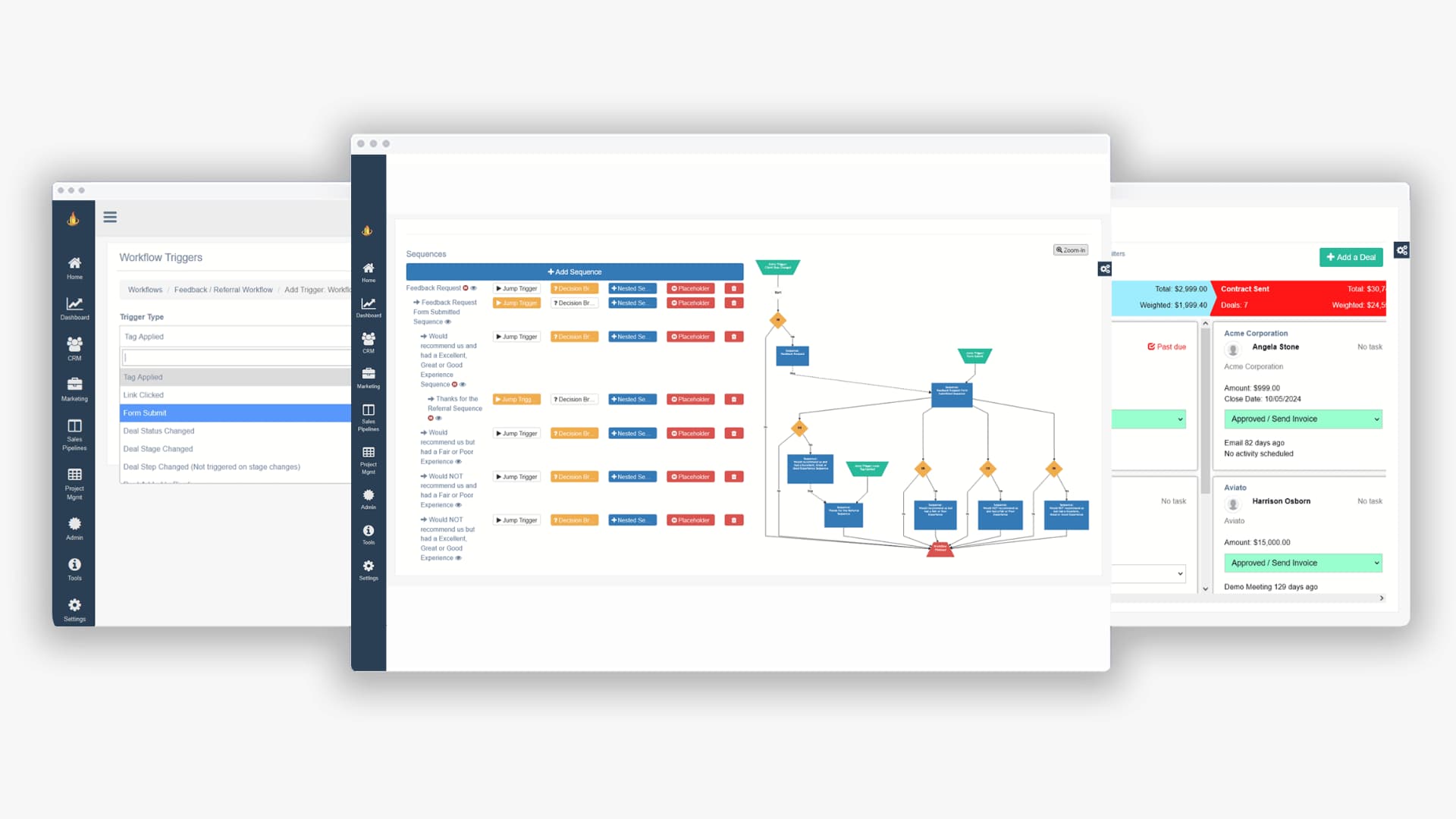
Let’s talk about where Pulse CRM really fits in. Zapier is great at connecting your tools, but Pulse is what gives all that automation real direction. It’s the hub where everything comes together: your actions, triggers, and customer touchpoints. Instead of just moving data from one place to another, Pulse helps you see what’s actually happening, track progress, and keep your marketing and operations working in sync.
Most teams face the same issue: automation alone doesn’t guarantee success. If your data is scattered across different platforms, it’s hard to see what’s working and what’s not. That’s where a connected CRM makes all the difference. Pulse brings everything into one clear view, showing you real results and keeping your automations aligned with your business goals. When everything flows through one system, you can follow the customer journey from that first contact to the follow-up without missing a single step.
Here’s how Pulse takes your Zapier setup further:
- Keeps campaign triggers and tracking visible from one dashboard.
- Handles CRM-to-Zapier workflows without any coding.
- Automatically logs emails, shipments, and updates for easy reference.
- Offers setup guidance and best-practice support when you need it.
When it all works together, your automation stops feeling like a bunch of disconnected tasks and starts acting like a single, smooth system. Let’s say your marketing team wants to adjust campaign timing based on engagement. With Pulse and Zapier connected, that happens automatically. The system reacts in real time and updates everything behind the scenes so your messaging always feels timely and relevant. It’s smart automation that actually fits how you work.
At the end of the day, Pulse provides structure and visibility that enable automation to be scalable and sustainable. It closes the gap between technology and strategy, making sure every automated action supports real customer relationships and measurable business growth.
Once your systems are working together, the next step is understanding how all of this ties into your bigger business goals. That’s when automation starts to feel effortless and genuinely impactful.
Bringing It All Together
When you bring everything together, Zapier, automation, and your CRM, it really starts to make sense. You’re not just automating tasks. You’re building a system that makes every touchpoint feel thoughtful and consistent. Those moments when a thank-you gift arrives right on time or a follow-up lands perfectly? That’s what builds trust over time. Automation takes care of the repetitive work so you can focus on what truly strengthens your relationships.
When your tools are working together, you get more than efficiency. You gain real insight. You can finally see how every small action connects to the bigger picture. Tracking engagement through your CRM helps you understand what’s working, spot problems early, and fine-tune campaigns with confidence. No more guessing about what your customers respond to, you’ll have the data to prove it.
At its core, automation isn’t about replacing people. It’s about giving you and your team more time for the work that really matters. You’ll spend less time buried in admin tasks and more time creating genuine connections. Using Pulse CRM as your central hub makes that easy. It keeps everything connected, accurate, and ready to scale. And as your system grows, you’ll see how naturally every piece fits together to create something that feels smooth, efficient, and genuinely human.
If you’d like help setting up workflows like this for your business, we’d be happy to walk you through it. Book a free strategy session to explore how we can help you implement automation that fits your goals.