
Franchise Management Software: A Practical Guide for Modern Franchisors


Franchise management software exists to take some of that weight off your shoulders, not by replacing the work you do, but by giving you a clearer view of what is happening across your network and tools that make the day-to-day easier to manage. Think of it as a way to tie up all the loose ends so you can lead with more confidence.
In this guide, we will talk through what the software actually does, how it supports the flow of franchise operations, and the practical strategies you can use to get more out of it. The goal is to keep things straightforward and offer guidance you can put to work, whether you are adding your tenth location or preparing to welcome your next wave of franchisees.

What Franchise Management Software Really Does
Franchise management software isn’t just a dashboard or a collection of tools. It’s the place where all the moving parts of your network finally come together. If you’ve ever felt like you were piecing together information from emails, spreadsheets, phone calls, and texts, you already know why this matters.
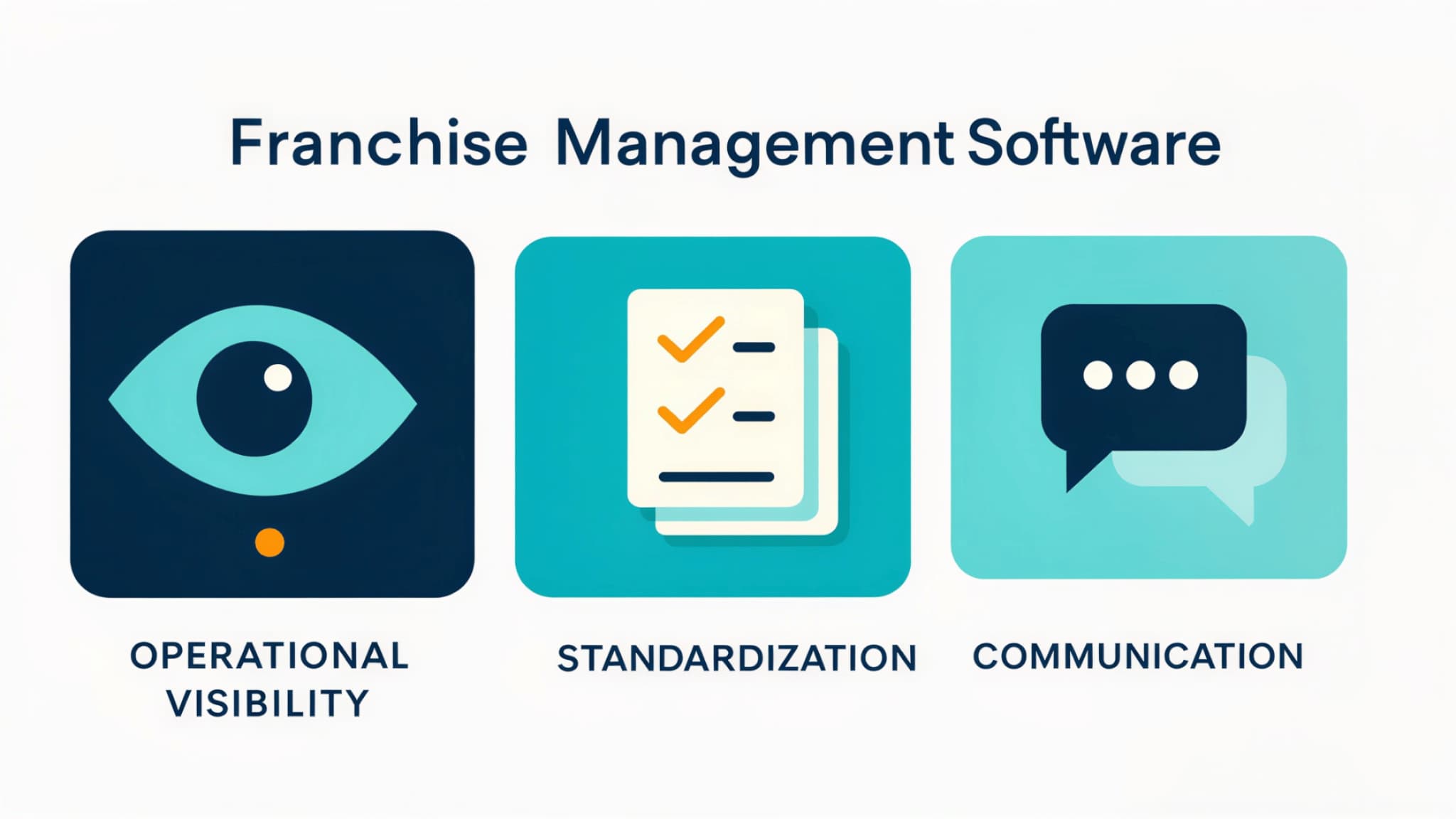
1. Operational visibility
When you’re running multiple locations, guessing isn’t a strategy. You want to see what’s actually happening day to day, without chasing people for updates. Good software gives you that view. One login, one source of truth.
You can spot trends faster, understand where a location might be slipping, and step in with support before the issue grows. Most franchisors tell us the same thing: once they can see everything clearly, decisions become much easier.
2. Standardization and quality control
If you’ve ever watched two locations follow the same playbook in completely different ways, you know how quickly a brand can drift. Software helps anchor those expectations.
Instead of hoping each franchisee remembers the process, the system guides them through it, step by step. This doesn’t just protect your brand. It gives franchisees a solid structure to lean on so they’re not reinventing the wheel.
3. Communication and training
Keeping everyone on the same page is tough when information is spread across emails, spreadsheets, and different tools. Even with good intentions, it is easy for updates or resources to get buried. A centralized system helps by providing a single, reliable place to store training materials, operational documents, and guidance for new and existing franchisees.
Instead of sending files multiple times or worrying whether a location is using an outdated version of a resource, you can keep everything in one place and organize it. New franchisees can quickly find what they need during onboarding, and established owners can reference updated materials without hunting through old messages.
Here is where this matters most. As your network grows, the challenge is not just sharing information, but making sure it is accessible, consistent, and easy for franchisees to use in their daily work. A centralized system supports that, helping franchisees stay aligned and feel supported.
When you put all three of these pieces together, visibility, standardization, and well-organized training resources, you get a network that is easier to run and easier to grow. And you feel more in control of the whole operation, rather than reacting to problems after they surface.
Why Franchisors Use Franchise Management Software
Running a franchise network means juggling many moving parts. You already know that. Some days you’re checking in with franchisees, other days you’re sorting through reports or trying to get a clear picture of what’s happening across every location. Franchise management software brings all of that into one place, so you’re not working harder than you need to.
So let’s break down why franchisors rely on these systems and why it makes such a difference.
1. Centralized data and reporting
You’ve probably had moments where you’re piecing together numbers from emails, spreadsheets, and half-finished reports. It’s draining and slows decision-making.
With a centralized system, you get one set of numbers everyone trusts. You can see:
- Performance at each location
- Network-wide trends
- What’s improving and what needs attention
Here’s a simple comparison that shows how much this helps:
When you stop guessing, you lead with a lot more confidence.

2. Better customer experience
Customers expect a consistent experience no matter which location they visit. But consistency is tough when each franchisee is managing customer interactions differently.
Software helps keep everyone on the same page. You can align follow-up processes, store customer history, and maintain consistent service expectations across all locations.
3. Higher efficiency across the network
Every franchisor has repeatable tasks that quietly eat hours each week. Follow-ups, scheduling, reminders, manual reporting, you’ve seen it all.
Software eliminates busywork by automating tasks that don’t require human attention. Franchisees have more time for their actual work, and you get cleaner, more reliable data.
Here’s a quick snapshot of typical time savings:
Small changes add up fast when multiplied across multiple locations.
4. Simpler scaling
Growth is exciting, but it can get messy when each new location brings its own processes or tools. Software smooths that out. You create one repeatable model for onboarding, training, and daily operations.
When a new franchisee joins, they get:
- A ready-to-follow playbook
- Pre-built workflows
- Clear expectations
- Tools they can start using on day one
And you get a network that expands without adding stress.
Franchise management software pays off most when it becomes part of how you run the business, not just another tool you check once a week. When you have strong data, consistent processes, reliable communication, and fewer manual tasks weighing down the network, everything gets a little easier.

Seven Franchise Management Strategies to Strengthen Your Network
Every franchise system runs differently, but the challenges tend to look familiar. You’re trying to keep everyone aligned, support new locations without slowing down, and manage the day-to-day without losing sight of bigger goals. Good software helps, but the real difference comes from how you use it.
So let’s walk through seven practical strategies. Nothing complicated, just the approaches franchisors lean on when they want a network that runs smoother and grows with fewer headaches.
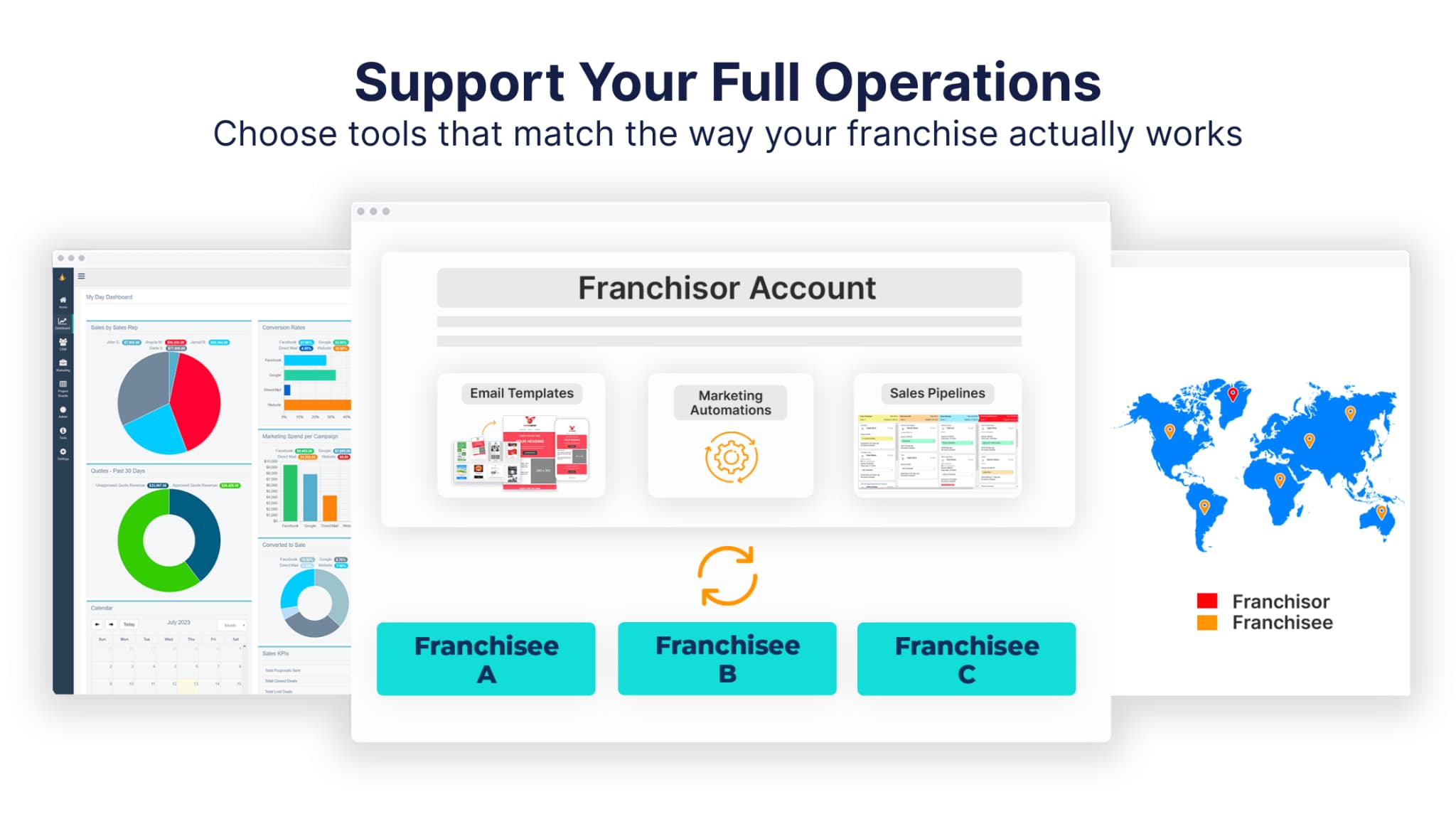
1. Choose Software That Supports Your Full Operations
You want tools that match the way your franchise actually works. If the software forces you to bend your processes to fit its design, you will feel that friction every single day. This is where choosing a system built to support real franchise operations, not just general business workflows, makes a noticeable difference.
A strong platform should cover the essentials, including a CRM for franchises that keeps every location aligned, helps you manage franchise leads, and supports consistent sales pipeline management across your network. But beyond the basics, the software should make your daily work feel lighter, not heavier.
Look for a system that covers:
- Franchisor and franchisee pipelines
- A reliable CRM
- Real-time reporting
- Quote or job ticket creation
- Role-based permissions
- Automation for everyday tasks
Here is a simple way to compare what matters during evaluation:
When your pipeline lives in the same system as your franchisee data and customer activity, you get a clearer picture of how leads move through the network. You can spot patterns, coach franchisees more effectively, and see which parts of your growth engine need attention.
If the software feels like it fits your day-to-day instead of fighting it, you are off to a good start.
2. Set Up the Software With a Clear Plan
Here is the thing. Buying software is easy. Setting it up so it actually supports the way you work takes intention. A clear plan makes the difference between a system your network uses every day and one that slowly gets ignored. Think of setup as your chance to build the foundation, not just turn on the lights.
Before rollout, get clear on:
- The metrics you want to track and why
- How often franchisees should update the system
- Who owns which parts of the process
- How will you guide new locations through their first 90 days
It also helps to create a simple workflow map. You might consider building a simple five-step checklist for every new location. Nothing fancy, just a clear path through setup, key tasks, and weekly check-ins. It can make onboarding smoother and keep everyone aligned from day one. A short kickoff call to walk through expectations and responsibilities will also help. That will help franchisees feel supported instead of overwhelmed.
A little planning saves you a lot of friction later.
3. Build a Repeatable Onboarding and Training Process
Strong onboarding sets the tone for every new franchisee. If the start feels messy, everything after tends to feel heavier. You have probably seen this yourself. A franchisee who starts with a clear path usually hits the ground running, while someone who feels lost early on ends up needing extra support later.
A repeatable onboarding process might include:
- A centralized checklist
- Training videos or guides stored in one place
- Automated reminders for required steps
- Access permissions that guide new users gradually
- A simple way to track completion
Here is where this really matters. New franchisees are juggling a lot during those first few weeks. They are learning systems, understanding expectations, and trying to build momentum. A structured onboarding flow gives them breathing room. They always know the next step, and you do not have to walk each person through the exact instructions over and over.
It also helps to build a small feedback loop. After the first week, check in and ask which steps felt smooth and which felt confusing. You will spot patterns fast. Maybe the training video needs to be shorter, or specific tasks should be done in a different order. Over time, your onboarding process becomes something you trust rather than constantly adjusting.
You have probably noticed that the most successful franchisees tend to follow the same habits early on. A strong onboarding process nudges everyone in that direction. It sets expectations without being heavy-handed and gives them a sense of progress right from day one.
When new locations begin with structure instead of guesswork, everything that follows feels easier for both of you.
4. Streamline Communication Across the Network
When you have only a few locations, handling lead and customer communication through separate inboxes or spreadsheets might seem manageable. But as your network grows, that approach starts to crack. You have probably seen this happen. One location replies quickly, another forgets to respond, and a third uses an outdated script that no longer matches your brand. These inconsistencies manifest as missed leads, slower follow-ups, and uneven customer experiences.
Franchise management software simplifies this by providing every location with a central hub for communicating with leads and customers. Instead of juggling multiple email accounts or manually tracking conversations, franchisees can manage all communication in a single, organized system.
Centralized communication helps by providing:
- A single inbox for lead and customer messages
- Consistent follow-up workflows
- Shared templates for replies and outreach
- A trackable communication history tied to each contact
Here is where this matters. When franchisees use the same place to message leads and customers, your network becomes more reliable. You reduce missed messages, ensure consistent follow-up times, and give customers a smoother experience across every location.
To make this work in real-world daily operations, many franchisors establish clear communication expectations. For example, response times might be set at a certain standard, and franchisees can rely on templates that match the brand's tone. Using shared communication workflows also helps new franchisees adopt best practices from the start.
There is another advantage worth mentioning. When lead and customer communication flow through a single system, your reporting and dashboards become more accurate. You can see how quickly leads are contacted, which messages convert best, and where follow-ups tend to drop off. This gives you clearer insight into both franchisee performance and customer behavior.
If you want a simple starting point, begin by centralizing just one part of communication, such as lead follow-ups or appointment confirmations. Even that slight shift removes confusion and keeps franchisees aligned without adding extra work.
Good communication with leads and customers builds trust, strengthens the brand, and supports franchisees in their day-to-day work. When communication is centralized and consistent, everything from conversion rates to customer satisfaction becomes easier to manage.
5. Automate Operational Workflows Wherever Possible
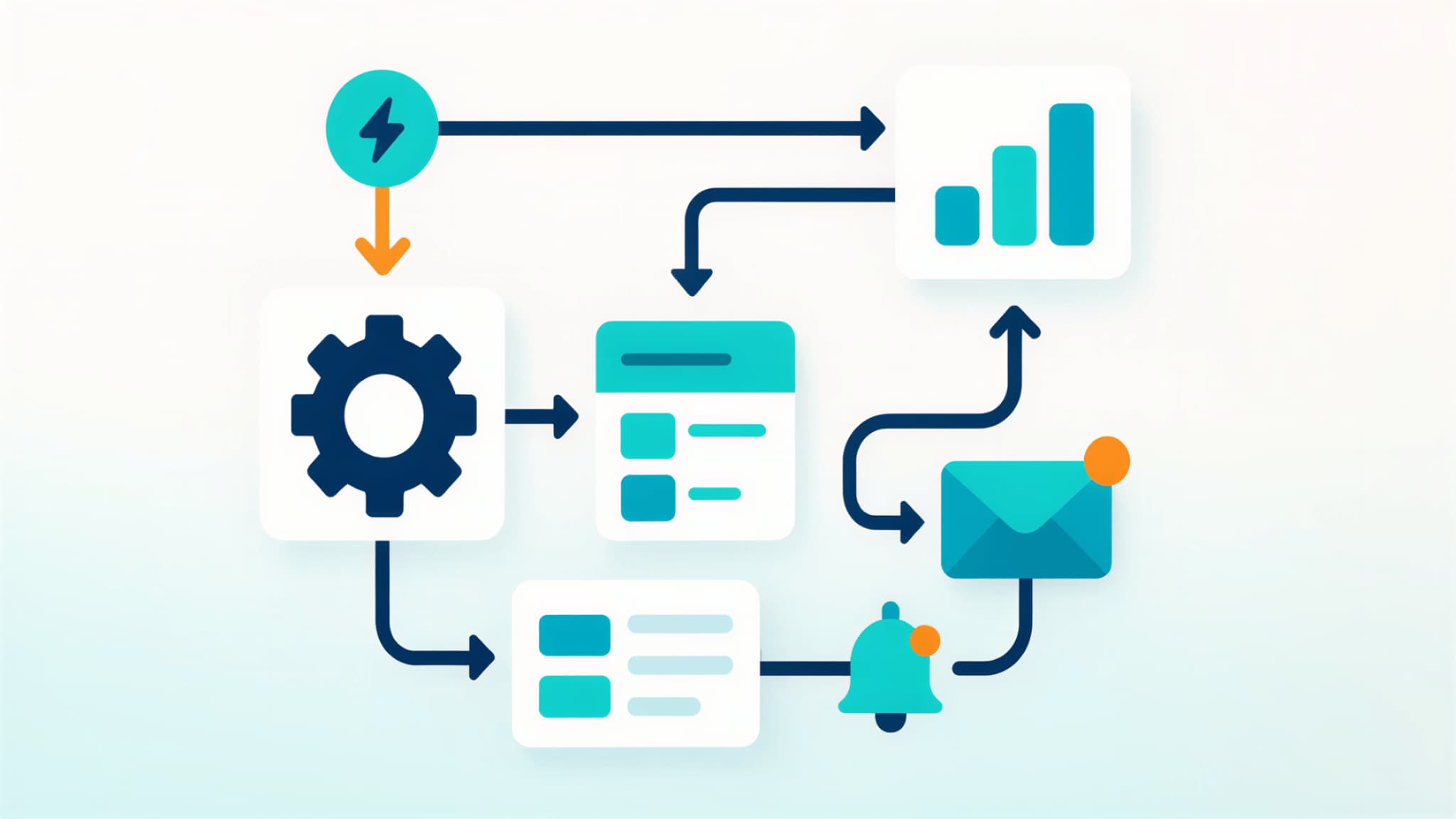
Automation is one of those features you appreciate more the longer you use it. It takes small tasks off your plate and gives franchisees more time for real work. You have probably felt the strain of work that should move quickly, but somehow eats up half the day. That is the kind of weight automation removes.
Common automations include:
- Appointment confirmations
- Lead follow-ups
- Customer reminders
- Training steps for new franchisees
- Scheduled reporting summaries
Here is a quick look at the difference automation can make:
Automation can take repetitive work off your team's plate so they can focus on conversations, decisions, and problem-solving. The things only humans can do. When a system handles reminders, updates, and small housekeeping tasks, you and your franchisees can spend more time on the parts of the business that actually drive growth.
A good way to start is by automating one or two tasks that frustrate you the most. Maybe it is scheduling. Perhaps it is sending out weekly summaries. Once you see how much smoother things run, adding a few more automations becomes a natural next step.
Automation frees up space for you and your franchisees. And when day-to-day operations feel lighter, you have more energy to focus on the work that actually moves the network forward.
6. Track Performance With Clear Metrics and Context
Numbers matter, but numbers without context can send you in the wrong direction. Software helps you see both the metrics and the story behind them. And here’s the thing. You and I both know that not every low number means trouble, and not every high number implies success. You need the whole picture to make decisions you feel good about.
Useful metrics include:
- Response times
- Conversion rates
- Revenue per location
- Customer satisfaction trends
- Marketing performance
- Completion of required training
So let’s break this down. Clear metrics show you what happened. Context tells you why it happened. When you can compare one location to another or look at network-wide patterns, you start noticing the small signals that matter. A region that responds more slowly might be understaffed. A location with substantial revenue but low satisfaction scores might need coaching. These details help you support your franchisees in ways that actually make a difference.
According to the Harvard Business Review, good data only becomes useful when leaders can interpret it quickly and act on it with confidence. That lines up perfectly with what franchisors deal with every day. You do not need endless reports. You need quick, reliable insight so you can coach franchisees, guide improvements, and stay ahead of problems.
If you want a simple way to get started, pick three metrics that matter most for your network. Track them consistently for a few weeks and share simple summaries with franchisees.
7. Use Software to Strengthen Compliance and Brand Consistency
Brand consistency is the backbone of every strong franchise. When each location follows the same customer journey, communication style, and process, customers know what to expect. And you and I both know how quickly a brand can drift when every franchisee interprets the playbook a little differently. Software helps close that gap by giving everyone the same tools and the same structure to work from.
Software supports this by offering:
- Required workflows
- Templates for communication and marketing
- Role-based permissions
- Location level reporting
- Centralized brand assets
Here is where this really matters. Most franchisees want to follow the system. They need a setup that makes the process easy to follow. When workflows are already built into the software, franchisees are naturally guided through each step. You do not have to constantly remind people of what to do next because the system does that for you.
According to the American Marketing Association, consistent brand execution strengthens customer trust across every touchpoint, especially in multi-location systems.
When consistency becomes part of the everyday workflow, franchisees feel more confident, and customers feel the difference. It makes your brand easier to run, scale, and maintain at a high standard. And that is the kind of foundation that keeps a franchise strong over the long run.
